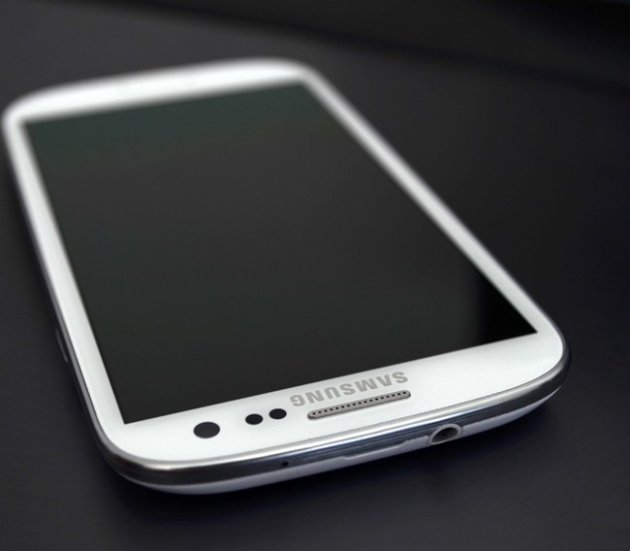
 Samsung Galaxy S III
Samsung (005930) stared down an army of critics when it launched the Galaxy Note in 2011. The 5.3-inch screen was viewed with deep suspicion by many industry experts. By August 2012, Samsung had sold 10 million units. Now the handset industry is set to face the onslaught of an armada of copycats. Huawei?s Ascend P2. ZTE?s Grand Memo. UMI?s X2. HTC?s (2498)?One. Sony?s (SNE)?Xperia ZL. And on and on. These smartphones all have display sizes ranging from 4.7 inches to 5.7 inches, and most of them are fairly close copies of the Note concept.
[More from BGR: Report outlines ?5 biggest problems facing Apple?]
The handset market often gets flooded with a glut of models when a new technology or a design approach starts to get trendy. It happened with the first generation of 256-color displays more than a decade ago; and with the massive waves of first 1.3-megapixel camera phones and then 5-megapixel camera phones; and with touchscreen phones in 2008, a year after the first iPhone became a sensation.
[More from BGR: Apple eyes intuitive iPhone features with new ?situational awareness? tech]
But what may be different this time around is that there is considerable doubt about the grace period of premium pricing. A decade or even five years ago, handset vendors tried to hold the line on pricing when it came to new product niches. Relatively high-end vendors like Nokia (NOK), Motorola and Sony Ericsson had enough clout with operators to keep the overall pricing environment relatively benign.
In 2013, the handset market looks radically different. Low-end vendors from Asia have far more clout and their power is growing rapidly. Huawei?s global smartphone market share has already hit 5%. A trio of low-end Asian vendors tripled their smartphone market share in urban India between June and December, reaching 12%. ZTE is making major inroads in Western Europe. Latin America is getting flooded by budget brands from Spice to Micromax.
This time around, there may not be much time for high-end vendors to capitalize on the growing popularity of smartphones equipped with 5- to 6-inch displays. Micromax is already selling a 5-inch phone in India for under $220. UMI is now launching its X2 model with an ambitious 13-megapixel camera?at $260. The quality of phones from budget vendors has improved radically over the past three years, partly because phones can now be designed so easily from off-the-shelf component suites. Nobody needs advanced in-house antenna design anymore.
This sheer number of jumbo smartphones is intimidating also because nobody really knows how great the demand is. Samsung?s?Galaxy Note models did great business in 2012 partly because there was very little competition. The fact that Samsung managed to sell more than 15 million phablets in a year does not mean that the global market can absorb a dozen new models in the same category ? particularly if Apple debuts an iPhone with 4.8-inch screen in early summer.
The industry clearly underestimated the demand for phablets in 2011 and 2012. If the past is any indication, it will now cheerfully swing to overestimating phablet demand in 2013. Once all these models ramp up over the spring, we are likely to witness truly eye-popping prices over the summer ? unless the overall consumer demand really shifts decisively towards the phablet. As cool as a 5-inch display looks, it is hard to envision it as the dominant form factor.
This article was originally published on BGR.com
Source: http://news.yahoo.com/coming-summer-plummeting-phablet-prices-203500378.html
seattle seahawks ryan tannehill cispa space shuttle new york courtney upshaw catch me if you can delmon young arrested

 You have to understand that follow-up treatments are highly necessary to accommodate the possible existence of side effects after cosmetic surgery. The doctors will tell you different factors that determine the follow-up procedures necessary based on your personal data and any underlying medical condition. In many cases, some common factors such as age, lifestyle, and the type of cosmetic surgery you have done will be the main considerations. Indeed, almost all surgery will need follow-up treatments to bring the optimum results. Especially after cosmetic surgery, doctors and the patients will want to make sure that the results from the treatment will last longer and possibly for life.

 If you listened to the online chatter about last night's Oscars' telecast, you might come away with the impression that the show tanked. Well, maybe it hit a lot of sour notes in terms of its questionably comedic, and in some cases downright offensive, bits, but in terms of advertising, it has nothing to be ashamed of.

 It?s no big secret that Uber wants to get into the ride-share game, in an effort to compete directly with upstarts like Lyft and SideCar. After reaching a deal with the CPUC, the company announced plans to contract unlicensed drivers as part of its driver fleet. It announced today on its blog that it will begin on-boarding drivers to be part of its UberX service.

 After months of build-up, we're almost to the historic bout between Ronda Rousey and Liz Carmouche, which headlines UFC 157 in Anaheim. Here is how we think the fights will go. A big thank you to all the Cagereaders who contributed their picks.


 While education startups like Khan Academy and Coursera are democratizing access to primary and secondary-level instruction, there are plenty of other hobbies where face-to-face teaching could be disrupted (or enhanced) by software. Music could be one of them — at least at the beginner level. Playground Sessions, a New York-based startup that spun out of a ventures division of creative advertising agency BBH, is launching a new way to teach piano today. It uses a MIDI keyboard, video demonstrations, and software that provides instant feedback on how well you’ve matched every note. This is desktop software that you have to download from Playground Sessions’ website, but a proper tablet app is on its way. I’ve spent more than 20 years playing piano and competing, but I had to learn from a very hardcore Russian piano teacher (who I’m immensely grateful for). While it would be hard to get to play Chopin’s Revolutionary etude all on your own, Playground Sessions could reach a more beginner-level player who isn’t quite ready to fork over more than $40 or 60 an hour to an individual teacher or who wants to play pop songs, not Bach partitas. It works, as you might guess, through several ‘Bootcamp’ tutorials on basic musical concepts like chord progressions, notation and key signatures. These are designed by a New York University music instructor Alex Ness. Then there’s interactive sheet music and complementary video lessons on how to play specific songs like Katy Perry?s ?Firework,? or David Guetta?s ?Without You.? The pieces are sold in an iTunes-like store for about $5.99 a pop. “One of the reasons students drop out early is that they don’t really love the sound. They’re not motivated or engaged by the songs they’re playing,” said Chris Vance, who co-founded the company. “One of the things we wanted to address was giving people more choice and ownership over what they play.” When a student picks up one of these songs, they can play into a MIDI keyboard and get feedback on how well they’ve picked up a song based on how many notes they’ve played correctly. Playground Sessions also shows them how much they’ve improved compared to the last time they played and where they’re seeing problem areas. Playground Sessions’ membership will go for $9.99 a month with an annual plan or $14.99 per month with a quarterly plan. Vance signed on Quincy Jones, the famed